What Opendoor's Massive Financial Collapse Means for Traditional Agents

James
Author
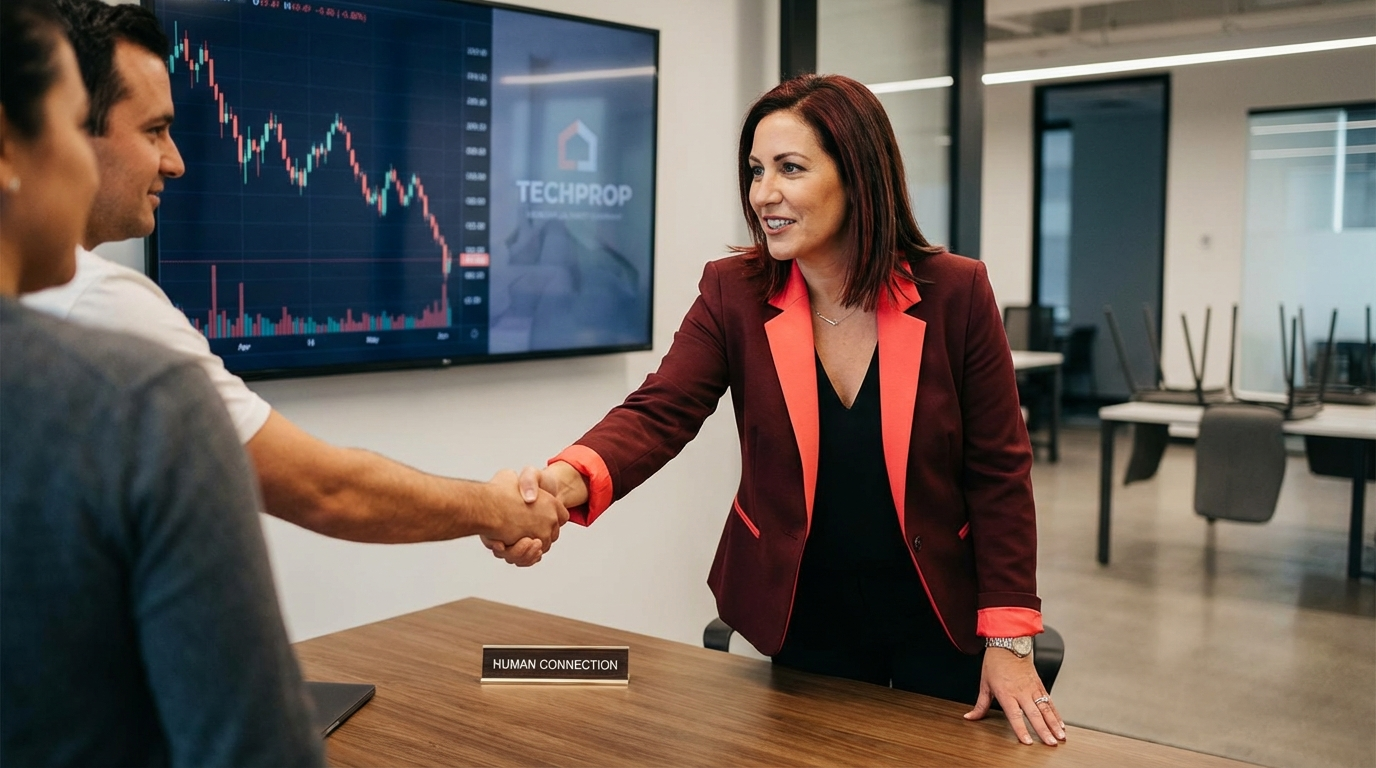
Remember when everyone was panicking about iBuyers putting real estate agents out of business? Well, plot twist: Opendoor, the poster child of the "we...
Remember when everyone was panicking about iBuyers putting real estate agents out of business? Well, plot twist: Opendoor, the poster child of the "we'll eliminate agents" movement, just burned through over $2 billion since going public and is now desperately trying to work WITH agents instead of against them.
I've been watching this train wreck unfold for years, and honestly, it's been fascinating to see how wrong the tech bros got it. They thought they could reduce home buying to an algorithm and a few clicks. Spoiler alert: they couldn't.
The Rise and Fall of the iBuyer Dream
When Opendoor went public in 2020, they were valued at around $18 billion. The pitch was simple: use technology to buy homes instantly, flip them quickly, and cut out all those pesky agents in the process. Investors ate it up.
Fast forward to today, and the company's stock has cratered by over 90%. They've laid off hundreds of employees, seen multiple executives jump ship, and are facing potential delisting from the NASDAQ. The CEO who promised to revolutionize real estate? He's already moved on to his next venture.
But here's the kicker: after years of trying to eliminate agents, Opendoor is now launching partnership programs to work WITH them. They're basically admitting that agents bring value they can't replicate with technology alone.
Why Technology Alone Isn't Enough
I've seen plenty of tech companies try to "disrupt" real estate over the years. Most focus on the transaction part - the paperwork, the coordination, the logistics. But they completely miss what actually matters to buyers and sellers.
Buying or selling a home isn't like ordering something on Amazon. It's usually the biggest financial decision people make in their lives, and it's incredibly emotional. When someone's stressed about whether they're making the right choice, they don't want to chat with a bot - they want to talk to a real person who understands their situation.
The data backs this up too. Despite years of iBuyer marketing and millions in advertising spend, these companies never captured more than 1-2% of home sales in their best markets. Meanwhile, traditional agent-assisted transactions continued to dominate.
What Opendoor Got Wrong About Agents
The fundamental mistake Opendoor and other iBuyers made was thinking agents are just middlemen who facilitate transactions. They saw the commission and thought "we can do this cheaper with algorithms."
But successful agents aren't just transaction coordinators. They're market experts, negotiation specialists, project managers, therapists, and trusted advisors all rolled into one. They know which neighborhoods are up-and-coming, which inspectors actually catch problems, and how to navigate tricky situations that don't fit neatly into an app.
I've worked with agents who've saved their clients tens of thousands by spotting issues an algorithm would miss. I've seen them talk nervous first-time buyers through the process and help sellers understand why pricing strategy matters more than listing high and hoping.
That local knowledge and personal relationship? You can't automate that.
The Human Element Still Wins
Here's what really struck me about Opendoor's pivot to working with agents: they finally realized that people want human guidance for major life decisions. Their partnership programs essentially acknowledge that agents provide value they can't replicate.
Think about it from a buyer's perspective. Would you rather input your information into a website and hope an algorithm gets it right, or work with someone who knows your local market inside and out? Someone who can walk you through comparable sales, explain neighborhood dynamics, and be there when things get complicated?
The answer seems pretty obvious when you put it that way.
What This Means for Your Business
If you're a real estate agent, Opendoor's struggles should actually give you confidence. The market just spent several years and billions of dollars proving that what you do has real value that can't be easily replicated.
But don't get complacent. The key is doubling down on what makes you irreplaceable: your local expertise, your relationships, and your ability to guide clients through complex situations.
Focus on becoming the go-to resource in your market. Be the person sellers call when they're thinking about listing, and the agent buyers recommend to their friends. Build genuine relationships instead of just chasing transactions.
Building a Sustainable Business Model
One thing Opendoor's collapse really highlights is the importance of having a sustainable business model. They were burning cash trying to scale something that fundamentally didn't work, while successful agents have been building profitable businesses for decades using proven methods.
The most successful agents I know have consistent lead generation systems that don't depend on venture capital or flashy marketing campaigns. They've built referral networks, maintain past client relationships, and have multiple streams of new business coming in regularly.
That's exactly what a service like Referraly provides - consistent, exclusive real estate referrals delivered every month without the massive overhead or unsustainable business model that sank companies like Opendoor. While tech startups burn through billions trying to reinvent the wheel, smart agents are focusing on building steady, profitable businesses based on what actually works.
The Future Belongs to Agents Who Adapt
Don't get me wrong - technology isn't going away, and it shouldn't. The agents who thrive in the coming years will be those who embrace helpful tools while maintaining the personal touch that makes them valuable.
Use CRM systems to stay organized. Leverage social media to build your brand. Take advantage of digital marketing to reach more potential clients. But remember that these are tools to enhance your relationships, not replace them.
The agents who will struggle are those who either completely resist technology or think technology alone is enough. The sweet spot is using tech to amplify your human advantages, not replace them.
Opendoor's spectacular failure is actually great news for traditional agents. It proves that despite all the hype about disruption, there's no substitute for local knowledge, personal relationships, and human expertise in real estate.
While venture-backed startups come and go, agents who focus on building genuine value for their clients and maintaining consistent lead flow will always have thriving businesses. The key is not getting distracted by every new shiny object and instead doubling down on the fundamentals that have worked for decades.